Reliable Water Softener Installation for Cleaner Water
A water softener system installed in a kitchen setting, demonstrating its integration into household plumbing.

A residential property showcasing the placement of a water softener unit near the main water inlet.
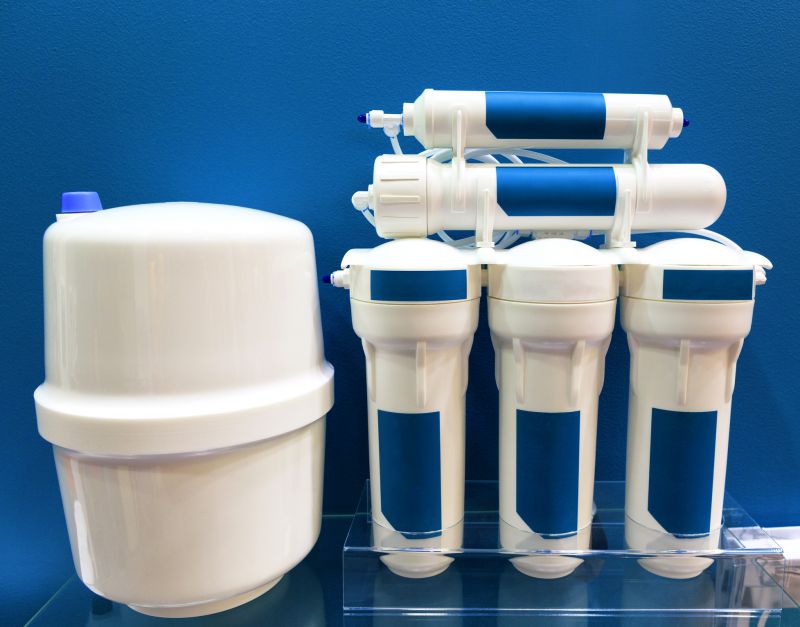
Detailed view of a water softener unit highlighting the components involved in installation.
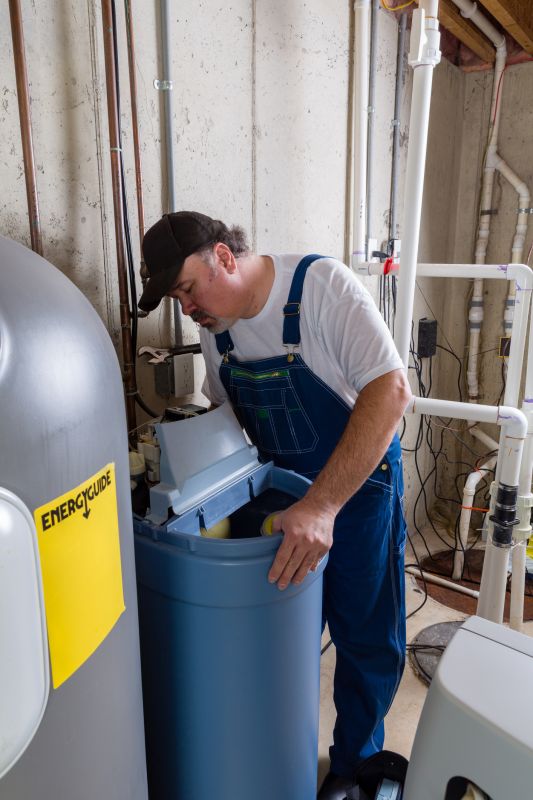
A professional installing a water softener system in a basement environment.
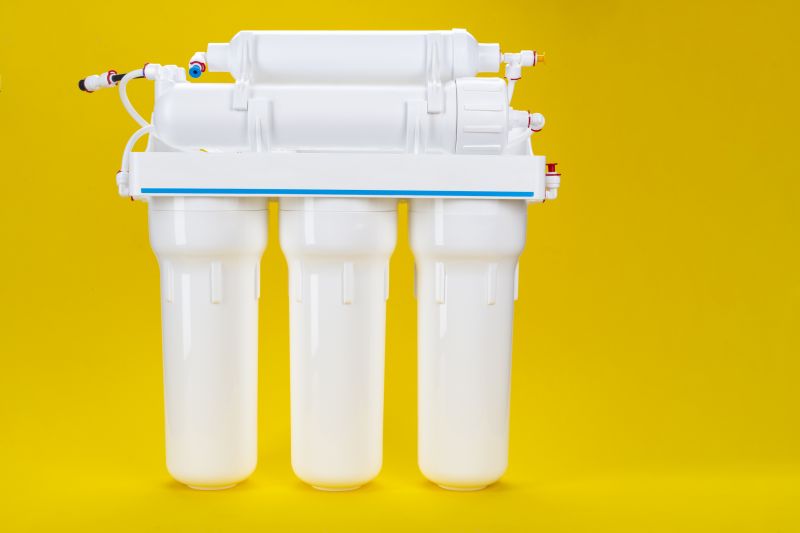
Close-up of piping connections for a water softener system during installation.
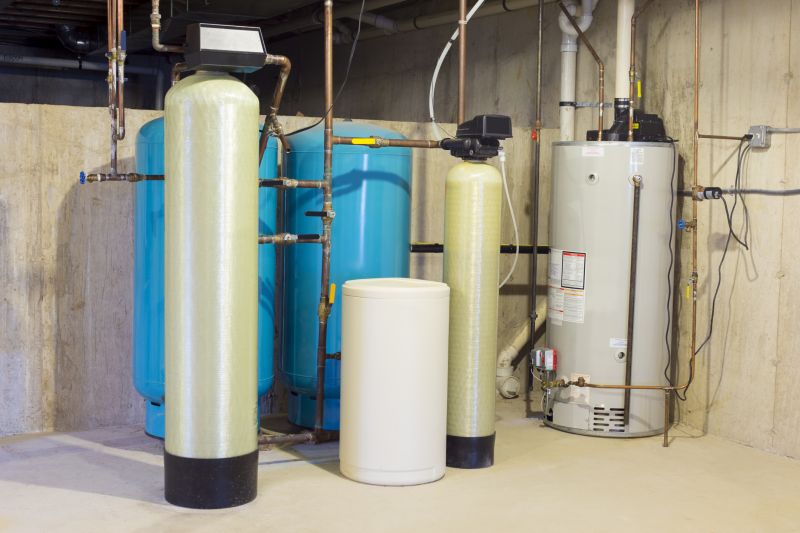
A newly installed water softener system ready for operation in a residential setting.
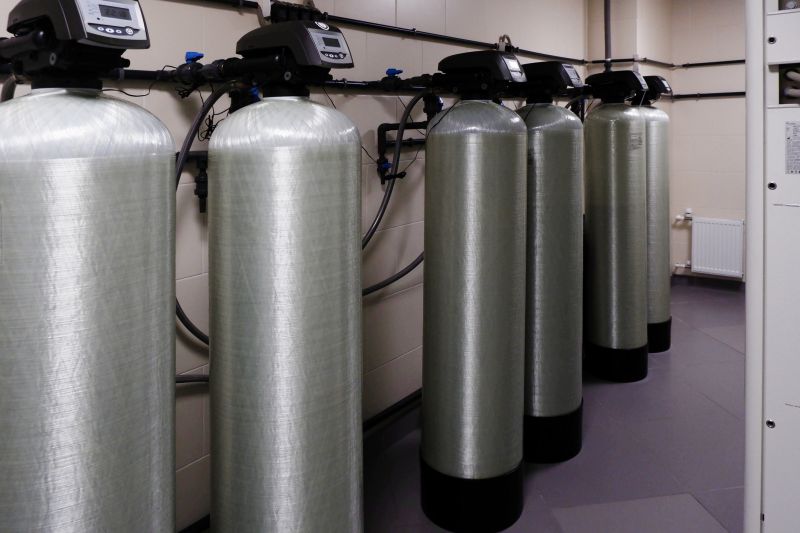
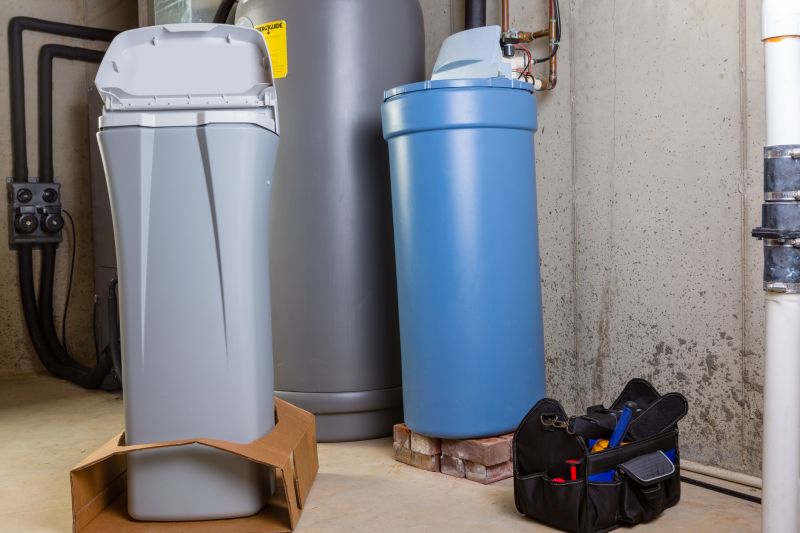
Placement of a water softener system within a utility room for efficient access.
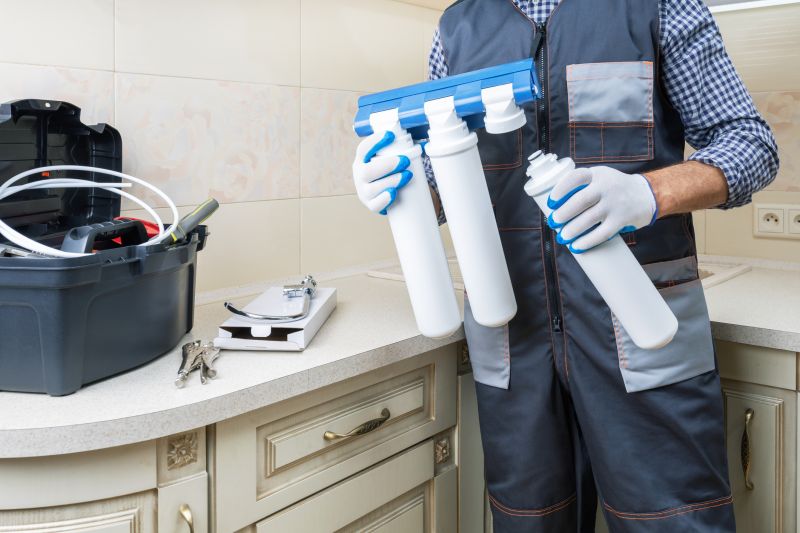
Tools and equipment used during the installation of a water softener system.
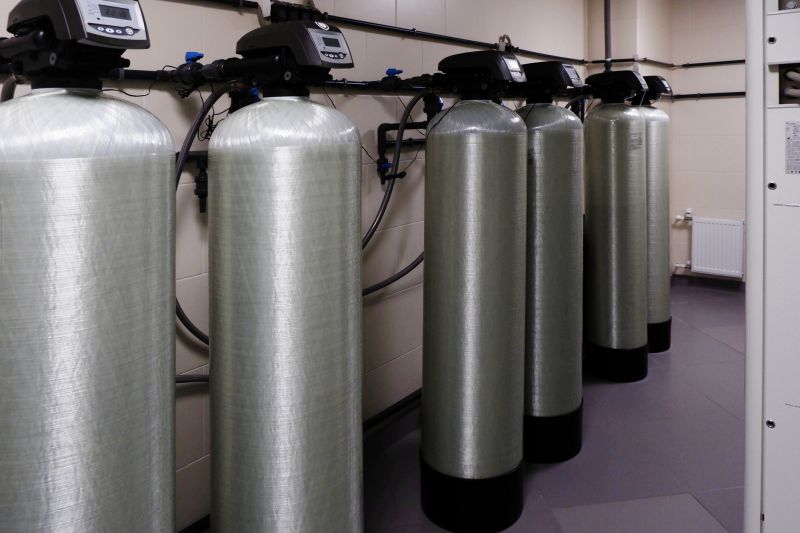
A water softener installed near laundry appliances to improve water quality.
Water softener systems are designed to reduce mineral content such as calcium and magnesium in water supplies. Proper installation can improve water quality, extend the lifespan of plumbing fixtures, and enhance the efficiency of appliances that use water. Statistics indicate that homes with water softening systems experience fewer scale-related issues and lower maintenance costs over time.
Softened water minimizes mineral buildup, leading to cleaner dishes, fabrics, and appliances.
Installation reduces scale buildup in pipes, preventing blockages and corrosion.
Water softening extends the life of water heaters, dishwashers, and washing machines.
Lower energy and maintenance costs are associated with softened water systems.
Benefits of installing a water softener system include improved water quality, protection of plumbing infrastructure, and potential cost savings. The installation process typically involves connecting the unit to the main water supply, configuring the system, and ensuring proper operation. Professional installation ensures that the system functions efficiently and effectively.
The installation process usually takes a few hours, depending on the complexity of the setup and the property’s plumbing configuration. A professional installer will assess the location, connect the system, and test for proper operation, providing guidance on maintenance and usage.
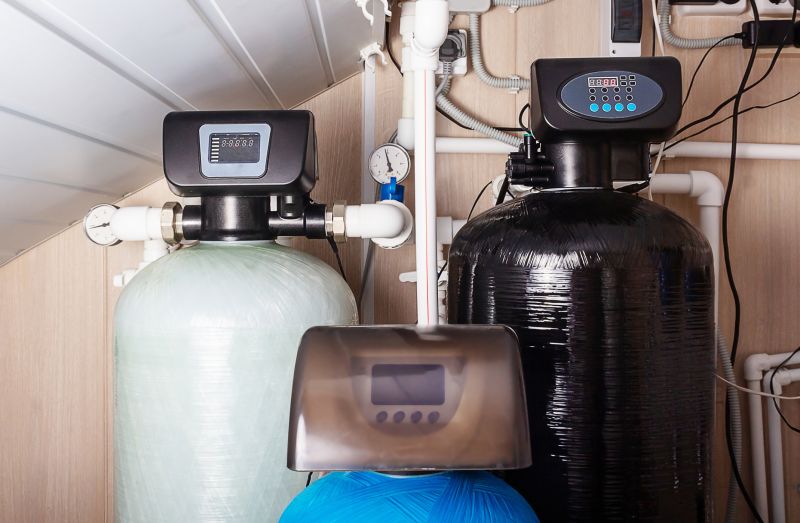
A professional setting up a water softener system in a utility room, ensuring proper connection to household plumbing.
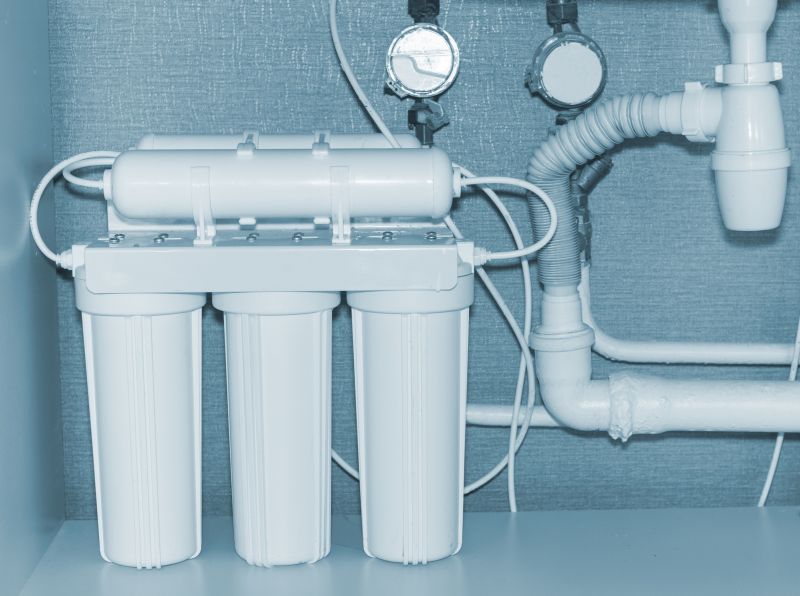
Step-by-step connection of the water softener to the main water supply during installation.
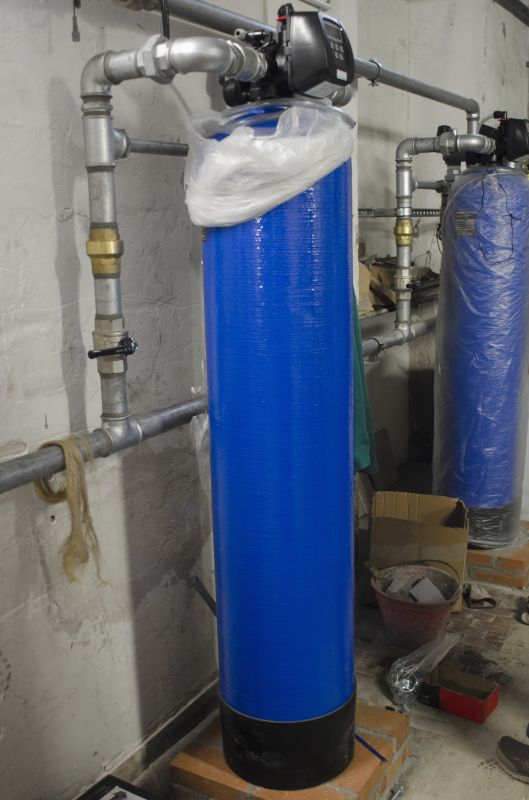
Final inspection and testing of the water softener system to confirm optimal performance.
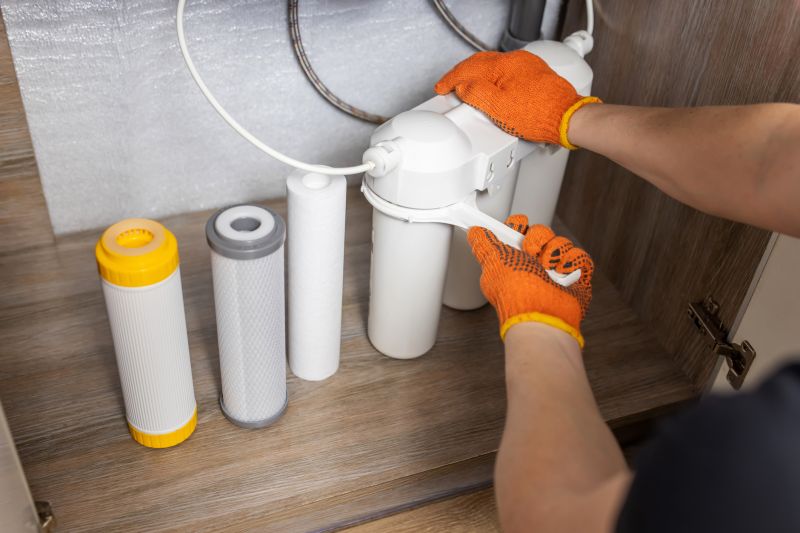
Tools and equipment employed by professionals to ensure secure and correct installation.
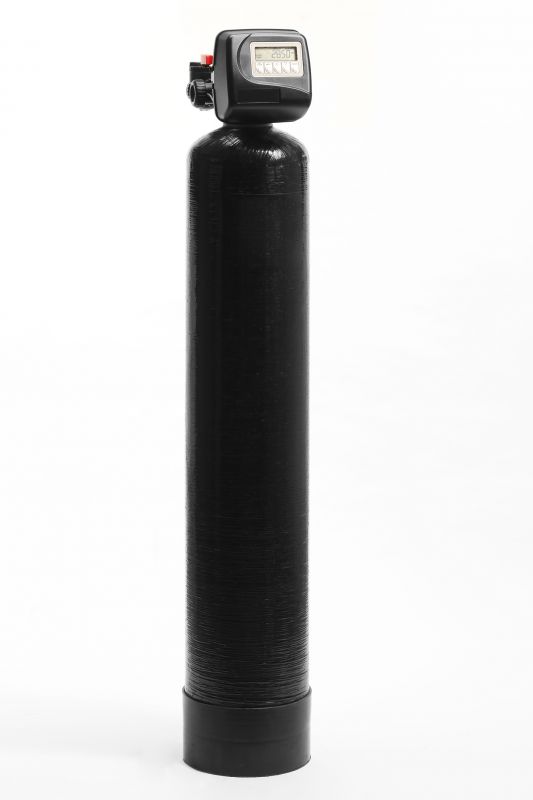
A fully installed and operational water softener system ready for use.
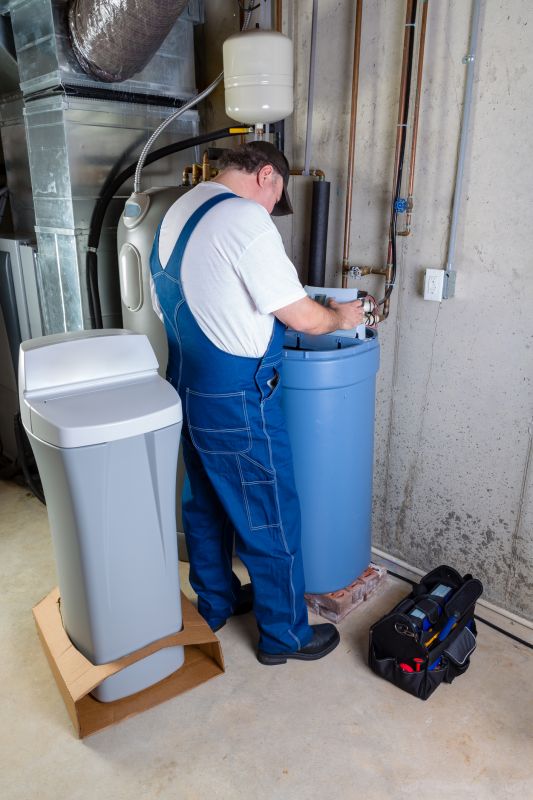
Detailed view of the piping connections made during water softener installation.
To obtain a detailed estimate for water softener installation, fill out the contact form. Providing information about the property and water quality helps determine the best system size and setup options. Professional installation ensures that the system operates efficiently and provides the desired water quality improvements.