Understanding Commercial Plumbing Costs
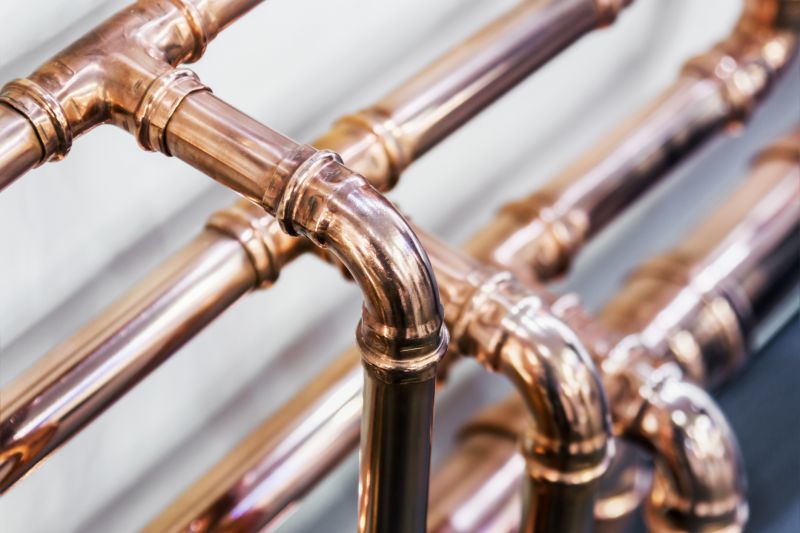
Higher-quality materials can increase costs but offer durability and long-term savings.

Complex systems or extensive renovations require more labor and resources, impacting total expenses.
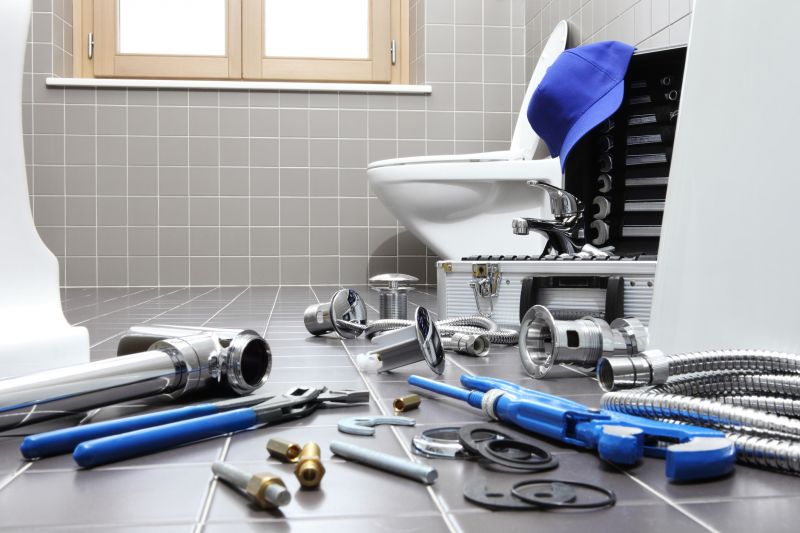
Difficult-to-reach locations may require special equipment, raising the overall cost.
| Factor | Impact on Cost |
|---|---|
| Scope of Work | Larger projects increase overall expenses |
| Materials Used | Premium materials cost more but last longer |
| Labor Hours | More complex jobs require additional labor hours |
| Location | Urban sites may have higher labor and permit costs |
| Permits and Regulations | Compliance can add to project costs |
| Project Timeline | Faster completion may require additional resources |
| Existing Infrastructure | Upgrading or replacing existing systems can affect costs |
The cost of commercial plumbing varies significantly based on the scope and specifics of each project. Smaller repairs may be relatively affordable, while large-scale installations or upgrades can involve substantial investment. Proper planning and detailed assessments help in estimating expenses accurately, ensuring that projects stay within budget while meeting operational needs.
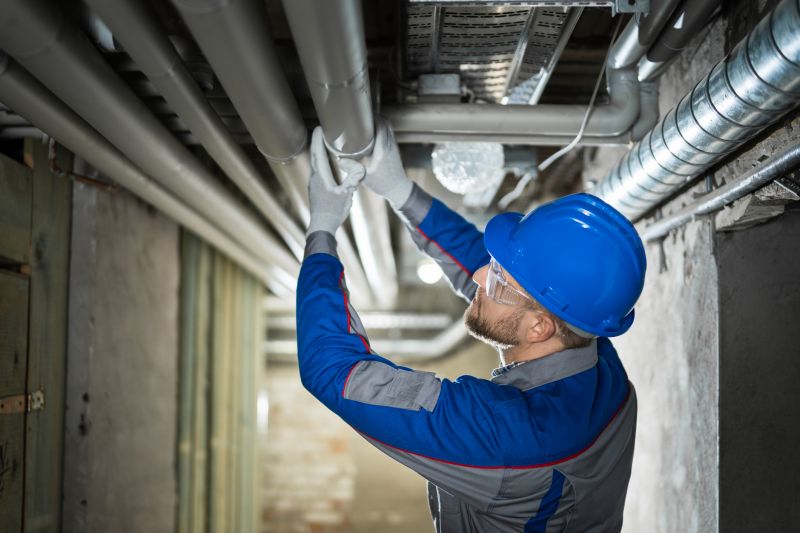
Costs depend on pipe type, length, and complexity of routing.
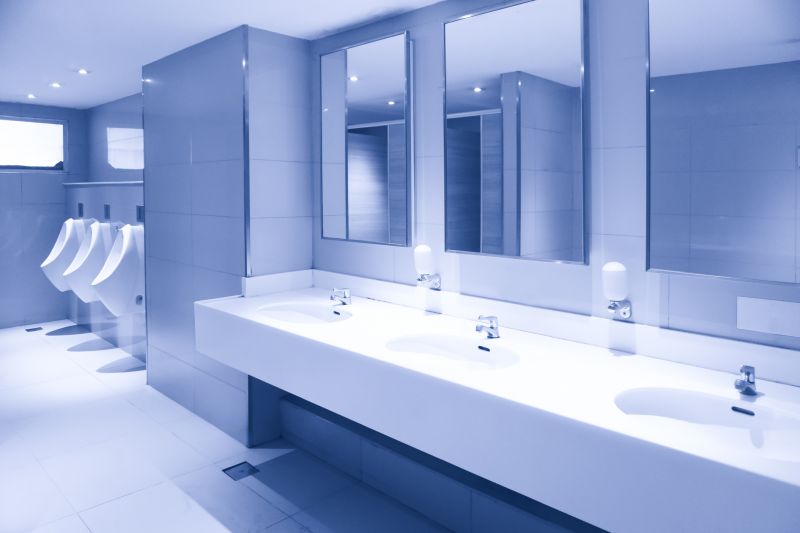
Upgrading sinks, toilets, or water heaters impacts overall expenses.
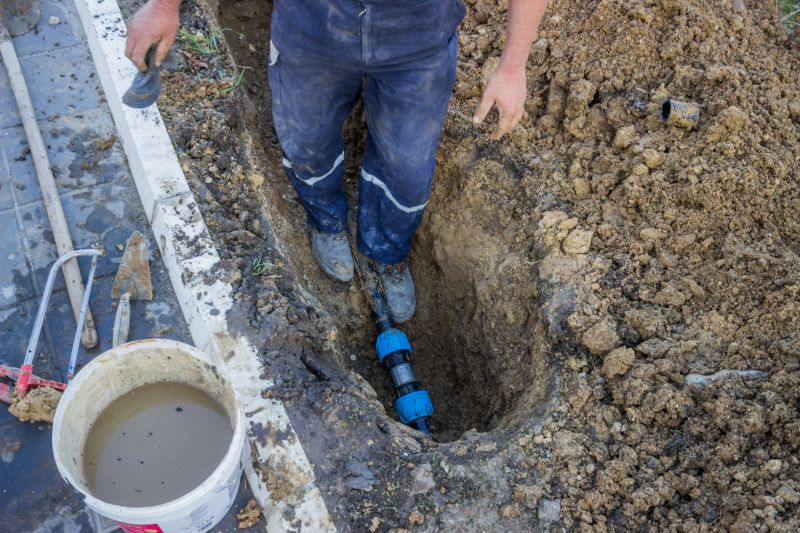
Identifying and fixing leaks can vary in cost based on location and severity.
| Service | Average Price Range |
|---|---|
| Pipe Repair or Replacement | $500 - $3,000 |
| Water Heater Installation | $1,000 - $4,000 |
| Fixture Installation | $200 - $1,000 per fixture |
| Drain Cleaning | $150 - $500 |
| Leak Detection and Repair | $300 - $2,000 |
| Sewer Line Repair | $2,000 - $10,000 |
| Backflow Prevention Installation | $1,000 - $3,000 |
| Emergency Plumbing Service | $150 - $300 per hour |
| System Inspection | $200 - $600 |
| Pipe Insulation | $300 - $1,200 |